Doctor of Occupational Therapy
Become the OT Who Helps People Live Fully
Helping People Do What Matters Most
In the Doctor of Occupational Therapy program at Des Moines University Medicine and Health Sciences, you’ll learn by doing — starting day one.
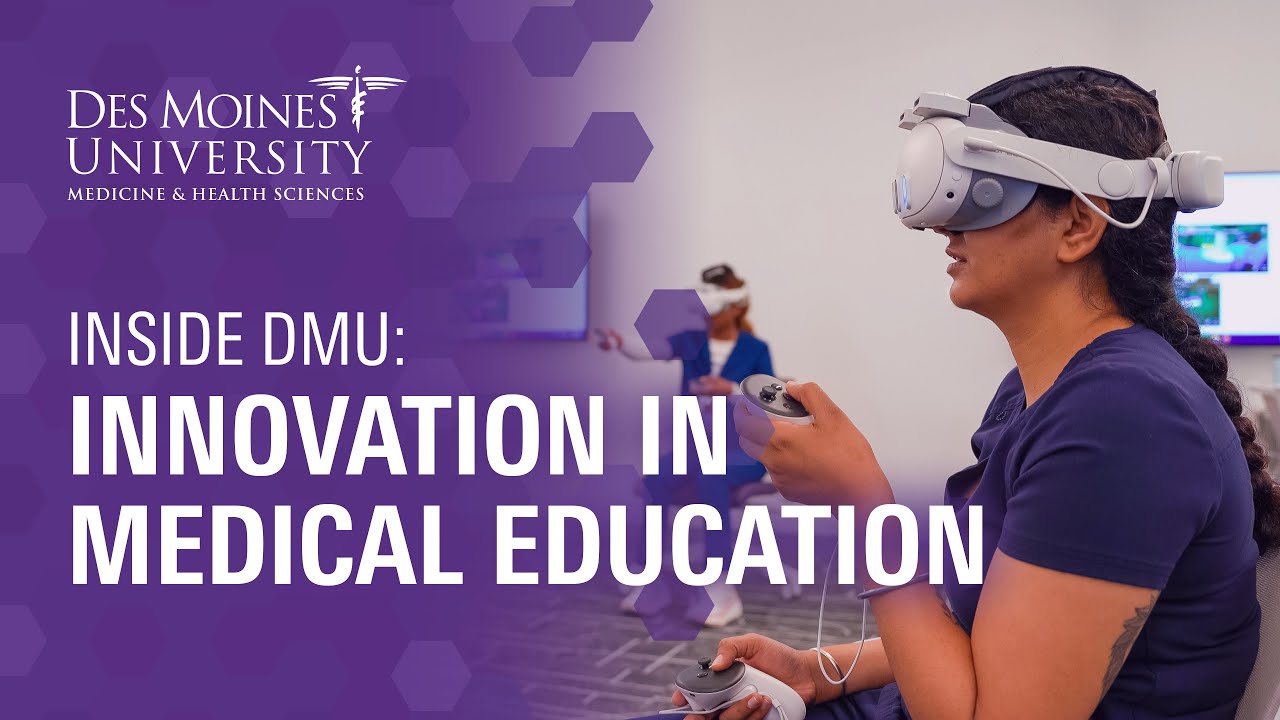
Our hands-on curriculum puts you in real clinical environments early, preparing you to support people in achieving their goals, building confidence and improving quality of life. You’ll learn in state-of-the-art simulation spaces, work with emerging technologies like VR and robotics and build skills that match how today’s OTs truly practice.
Bring your passion for helping others. We’ll help you turn it into expertise — and a career you’re excited to step into.
33 Months
Program Length
Divided Into Eight Terms
$45,840
Annual Tuition
14 : 1
Student-to-Faculty Ratio
2 Pathways
In Person or Hybrid
Am I on Track for the OTD Program?
A Quick Check. You Might Be More Prepared Than You Think.
Undergraduate Coursework
A minimum of 72 credit hours is required. A bachelor’s degree is not required.
GPA
A minimum grade point average of 3.0 is recommended.
Prerequisite Courses
All prerequisite coursework, with the exception of medical terminology, must be completed for graded credit from a regionally accredited college or university in the U.S., and official transcripts must be provided.
Observation Hours
Applicants are encouraged to observe occupational therapists, but a minimum number of hours is not required for application.
Letters of Recommendation
Three letters total are required — one from a faculty member, and two others from an occupational therapist, academic advisor, supervisor or colleague.
Application
Submit your application through the Occupational Therapist Centralized Application Service. Applications open each July for the following year’s August start.
Why DMU?
DMU’s accredited OTD program is delivered within a comprehensive health sciences university, combining early clinical and simulation-based training, expert OT mentorship and a nationwide network to prepare graduates for professional practice.
Immersive Hands-On Practice
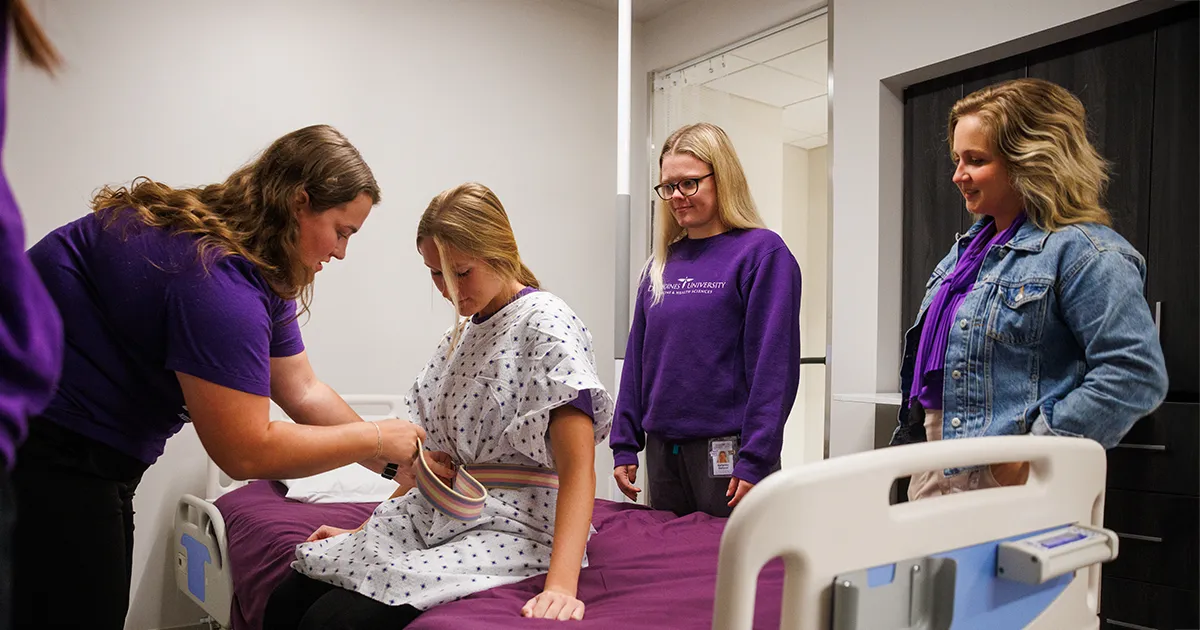
From sophisticated lab equipment to extensive clinical practice opportunities, get hands-on from the very beginning of your program to master the art and science of occupational therapy.
Expert Faculty Mentorship
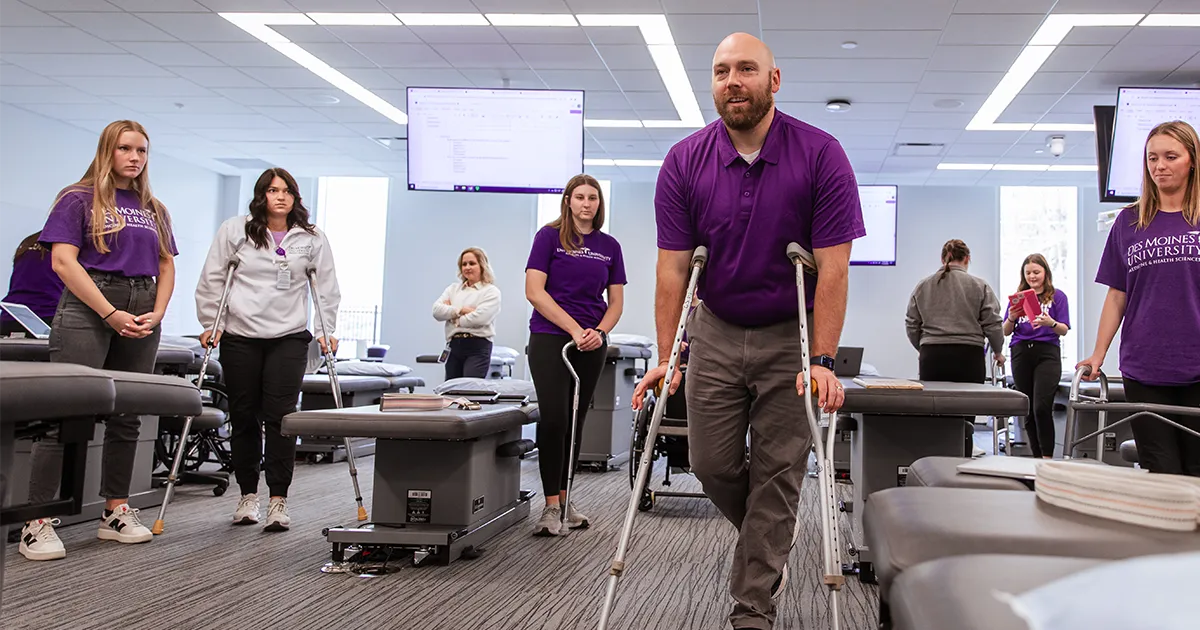
Work with accomplished faculty who hold specialty certifications — explore pediatrics, mental health, neuro, hand therapy, ergonomics, driver rehab and more.
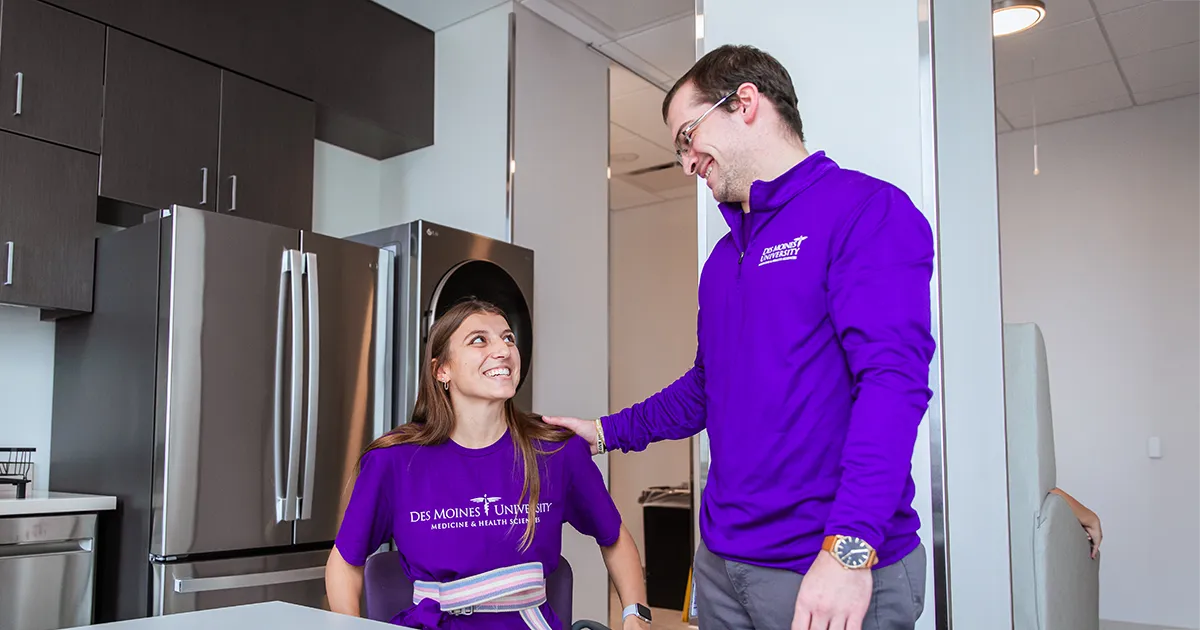
Nationwide Connections
No matter where your goals lead you, we have relationships to help get you there. From university partnerships to dual degree options and a chance to participate in the Iowa LEND program, we’re here to help you find success.
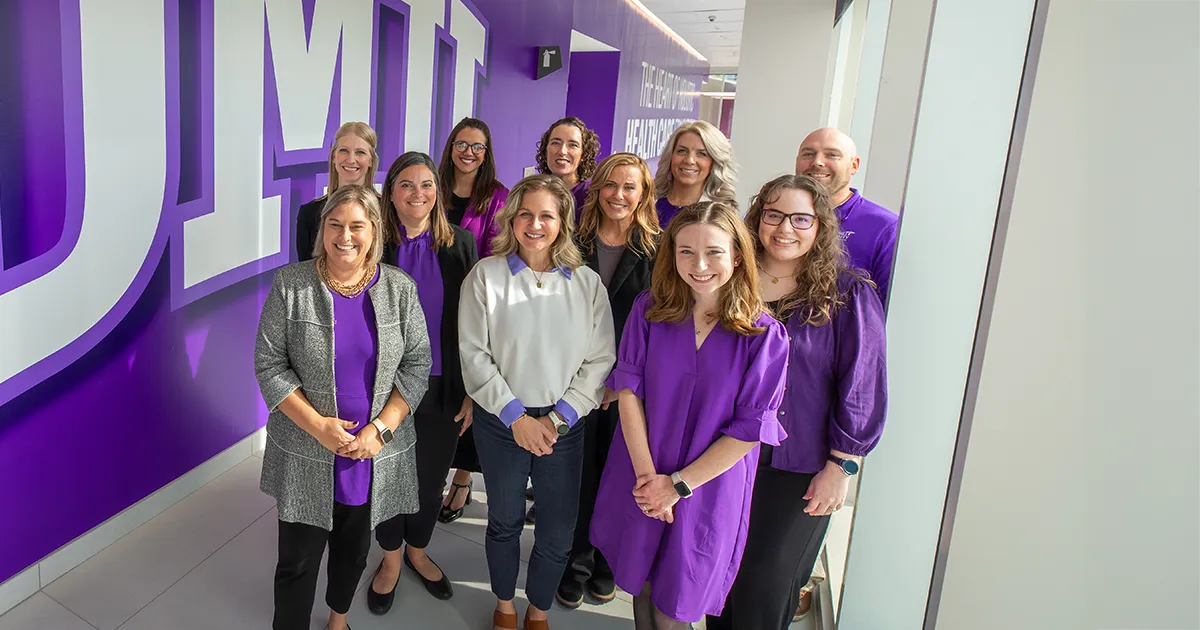
A Built-In Support System
Every OTD student has three faculty advisors — an academic advisor who’s your primary resource for personal needs and academic performance, and advisors who help guide fieldwork, capstone choices and other opportunities.
A Degree Fit for YOU
Every student’s life looks different — so our program is designed to meet you where you are. As the first OTD program in the Midwest to offer a hybrid-flexible approach, you’ll choose the path that fits your life:
In-Person, On Campus
- Attend classes, labs and exams face-to-face on DMU’s campus
- Full access to simulation spaces, skills labs and on-site student services
Hybrid
- Join live classes online — with all sessions recorded for flexible review
- Come to campus for hands-on labs and assessments with your cohort
- Planned schedules so you can balance life, work and school
One cohort. Two pathways. One faculty team trained to support both.
What You’ll Learn
At DMU, our Doctor of Occupational Therapy program is designed to help you stand out.
You’ll take unique, stand-alone courses in population health and wellness, professional practice preparation and National Board for Certification in Occupational Therapy exam readiness.
You’ll also engage in the National Alliance on Mental Illness Provider Education Program, gaining practical tools to support clients and communities across a wide range of mental health contexts.
Our curriculum includes embedded specialized trainings and certifications — with additional opportunities available — so you can graduate with skills that set you apart in the job market.
Hands-on learning is embedded throughout the program. You’ll work with advanced technology and innovative practice tools such as Saebo virtual reality systems, the Amazon Astro robot and high-fidelity simulation environments that mirror real clinical challenges.
Quick Facts: Curriculum and Courses
-
Curriculum Built For How OTs Practice
-
Evidence-Based Lab Practice
Using virtual reality and AI
-
Progressive Skills Development
From foundational science to complex case management
-
Interprofessional Learning
Collaborate with other DMU clinical programs and partner institutions
“Health care is changing. We’re thinking not only about what’s happening right now, but where it’s going.
That gives us the opportunity to educate our students about what’s possible — and to push the envelope on where the future of health care is headed, and how they can be change agents to help move it forward.”

Diana Feldhacker, PhD, OTD, OTR/L, BCPR
Chair, Program Director and Associate Professor in DMU’s OTD Program
“Our faculty, staff and students pour in so much effort to make this a community where excellence, compassion and innovation come together to prepare future occupational therapists to make a meaningful impact.
These people are not just talking the talk — they are here, walking the walk.”
Diana Feldhacker, PhD, OTD, OTR/L, BCPR
Chair, Program Director and Associate Professor in DMU’s OTD Program
Where Will Your OTD Take You?
Ready. Set. Go.
Fieldwork begins in your second semester, so you’ll start applying what you learn almost immediately. With access to more than 500 sites across the U.S. and internationally, your learning opportunities are both vast and varied.
When you graduate, you’ll be ready to hit the ground running in hospitals, outpatient clinics, schools, skilled nursing facilities or settings you haven’t even imagined yet — entering a field with a median salary of $98,340.*
*Source: U.S. Bureau of Labor Statistics
Quick Facts: Fieldwork and Capstone
-
Level I Fieldwork
Begins in the second semester, with rotations that build breadth and confidence
-
500+ Sites
Across hospital, outpatient, schools, community and emerging practice settings
-
Level II Fieldwork
Prepares you for entry-level practice with full-time immersive experiences
-
Culminates in Doctoral Capstone
Tailored to your interests (clinical innovation, program development, research, policy and advocacy, leadership or education)
Learning Spaces Designed for Impact
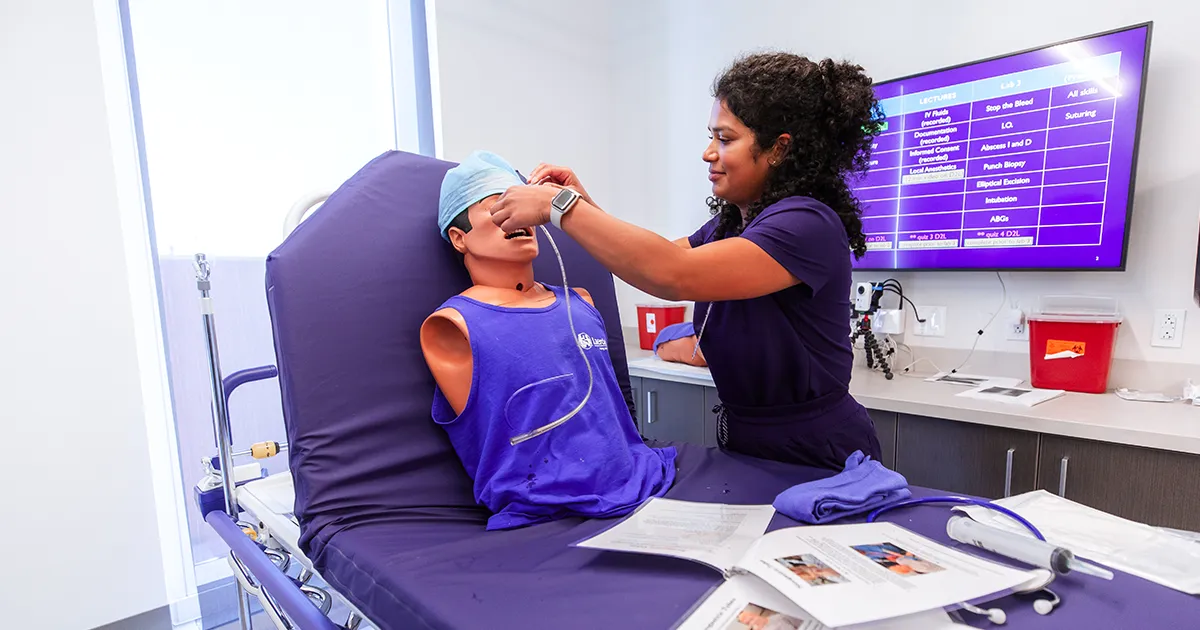
At DMU, the spaces you’ll learn in as an OTD student are anything but ordinary. Our learning studios and labs are intentionally designed to reflect both the current practices and future direction of occupational therapy, preparing you to meet the demands of health care with confidence and skill.
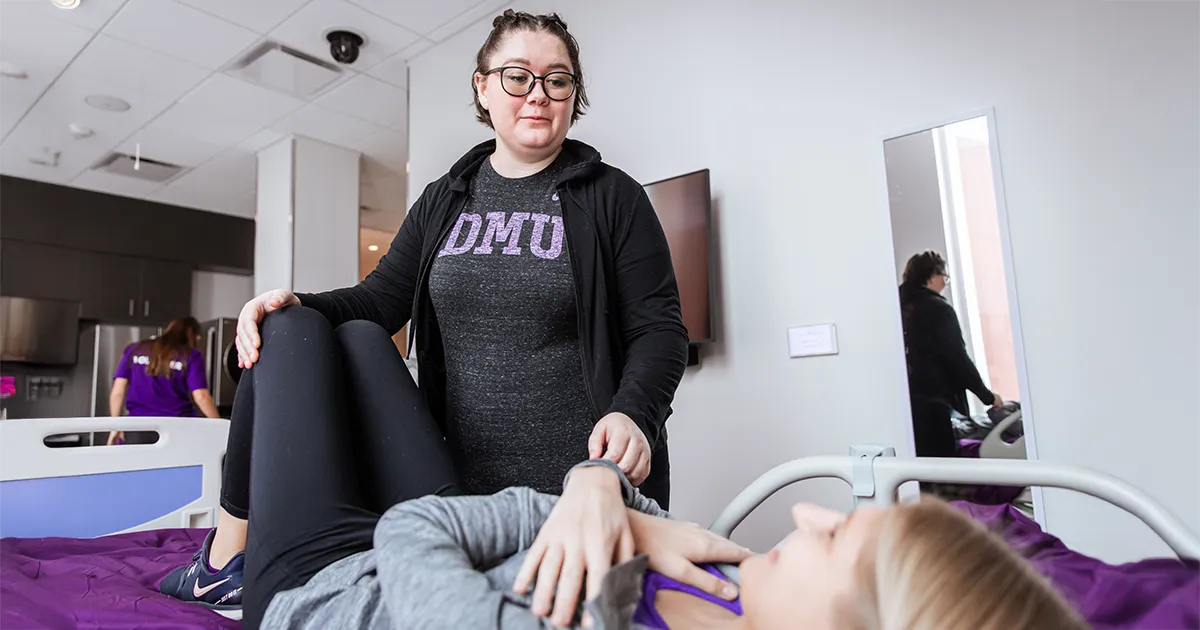
Home Care Lab
Features a bedroom, kitchen, living room and bathroom to simulate real-world environments and support training in assistive technology and adaptive equipment.
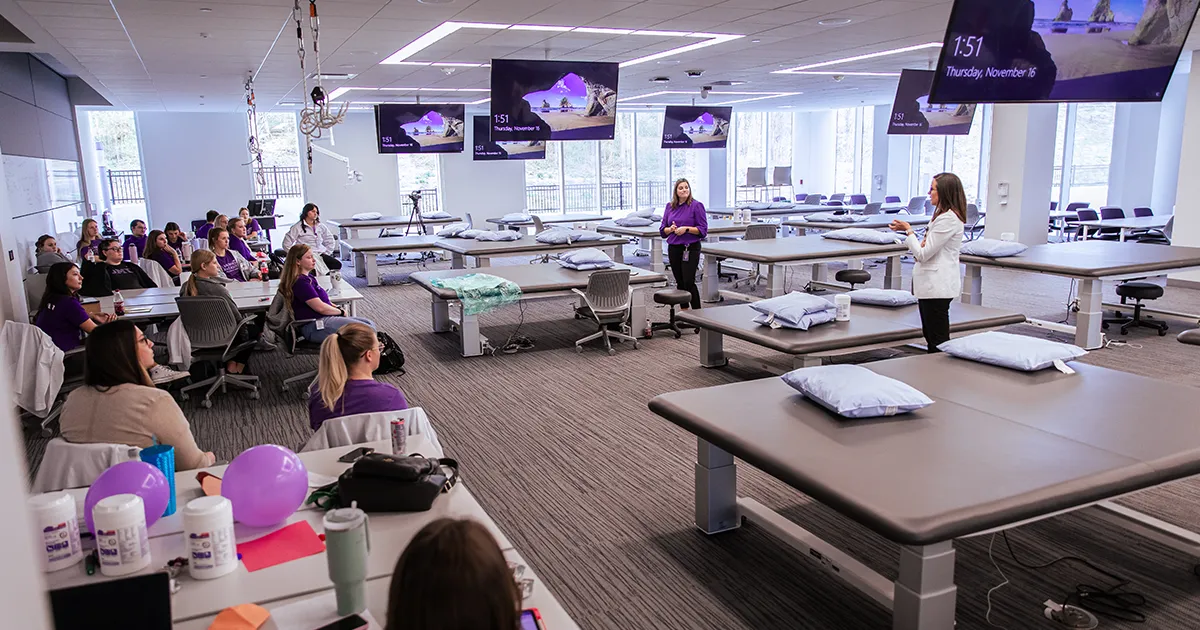
Clinical Lab Spaces
Equipped with swing suspension hardware, plinths and specialized mats, allowing practice in rehabilitation, sensory integration, manual therapy, patient handling and adaptive strategies.

Groben Wellness Lab
Offers versatility designed for hands-on learning in daily living and wellness, including a fully equipped teaching kitchen and home-care simulation to build competencies in patient independence.

Technology-Rich Learning Studios
Equipped with ceiling microphones, multiple cameras and hybrid-ready capabilities for active, collaborative learning.
Adams Task Training Lab
Designed for preparatory methods like casting, orthotic fabrication and physical agent modality use.

Anatomy Lab
Offers prosected cadaveric review to deepen your understanding of human anatomy.
Feel the Connection
When you’re not in class, training in the field or studying for exams, there’s no shortage of ways to get involved on campus and beyond.
- Join one of 50+ student clubs and organizations to connect with peers and build community.
- Get involved with the Office of Diversity and Multicultural Affairs to practice patient-centered care with cultural humility and learn to lead with empathy.
- Explore everything the Greater Des Moines community has to offer, from cultural events to outdoor activities and local favorites.
Connect With the OTD Program


The Stories That Define DMU
Ryan Enerson Joins DMU Clinic – Physical Therapy
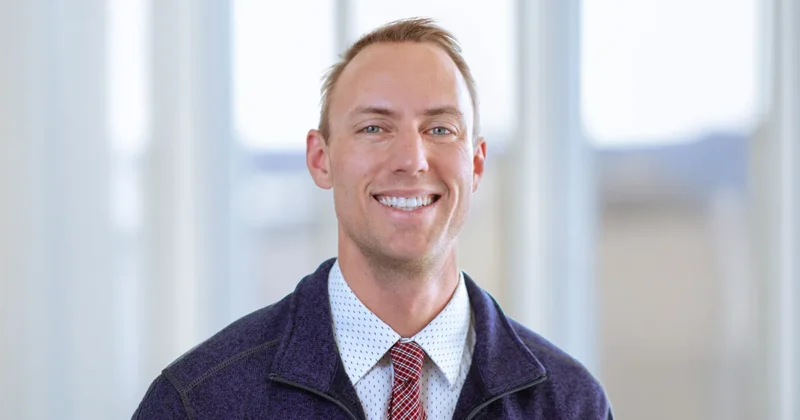
Ryan Enerson, PT, DPT, has joined the providers at the Des Moines University Clinic — Physical Therapy. Enerson will practice at the Des Moines University Clinic in the MidAmerican Energy Company RecPlex at 6500 Grand Ave., West Des Moines.


Become Who You’re Meant to Be
Earn your OTD from DMU and step into your career with confidence and purpose.