
Master of Public Health
Transform How the World Thinks About Health
Where Leadership Meets Compassion
At Des Moines University Medicine and Health Sciences, our Master of Public Health program prepares you to lead with impact. You’ll gain practical, real-world skills to shape healthier communities and drive meaningful change, both locally and globally.
There's never been a more important time for health care experts like you. That's because public health challenges are growing — and so is the need for passionate, skilled leaders to address them. Leaders who can improve health policy. Advance equity. Respond to global health threats.
In other words, you.
And because our program, accredited by the Council on Education for Public Health, is 100% online, you’ll have the flexibility to earn your degree while balancing work, life and everything in between.
100% Online
Fully Flexible Format
2 Years
Average Time to Complete
$908
Tuition Per Credit Hour
No GRE
GRE Not Required
Am I on Track for the MPH Program?
A Quick Check. You Might Be More Prepared Than You Think.
Undergraduate Degree
A bachelor’s degree is required.
GPA
A minimum grade point average of 3.0 is recommended, but all applications are considered.
Letters of Recommendation
A minimum of three references is required. Evaluations may come from an employer, supervisor, academic advisor, professor or mentor.
Application
Submit your application through SOPHAS, the Schools of Public Health Application Service. Applications are accepted throughout the year, and new students are admitted following term deadlines.
Why DMU?
Public health leadership today demands strong analytical skills and the ability to translate data into action. DMU’s entirely online MPH program prepares you with expertise in epidemiology, evidence-based practice and health systems strategy — so you can improve population health outcomes where they matter most.

Learn On Your Schedule
Advance your career through a 100% online format that allows you to balance coursework with your professional and life responsibilities.

Faculty Mentorship With Real-World Experience
Learn from faculty who bring active public health leadership, research and policy experience into every course. You’ll receive individualized guidance from faculty advisors invested in your academic and professional success.
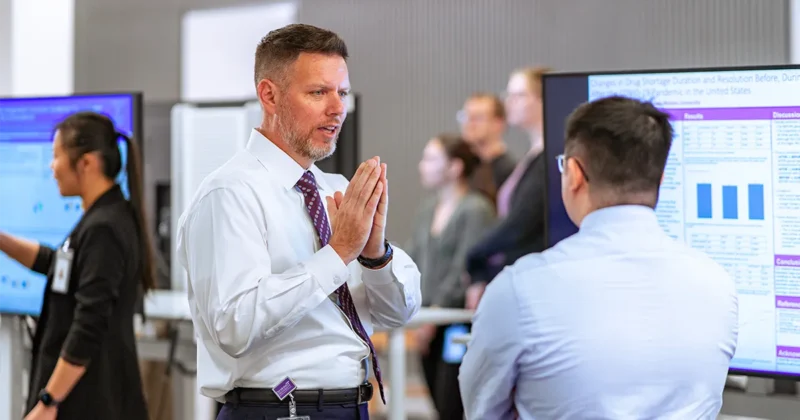
Nationally Recognized Online MPH
Named one of the Best Online MPH Programs for 2026 by The Princeton Review.
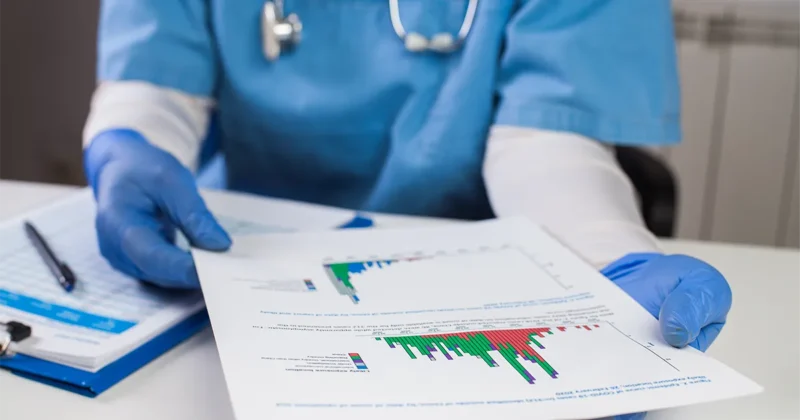
Lead With Epidemiology and Applied Practice
Choose from concentrations in epidemiology, public health practice or public health administration and policy, and apply your learning through practice-based experiences that strengthen your analytical and leadership skills.
Specialize Your Future
DMU’s online Master of Public Health program offers three distinct concentrations to align your education with your career goals:
- Epidemiology: Strengthen your quantitative and analytical skills to monitor disease patterns, analyze population-level data and conduct rigorous research that informs prevention and public health decision-making.
- Public Health Administration and Policy: Develop the leadership and policy expertise needed to shape health systems, influence legislation and manage public health organizations.
- Public Health Practice: Prepare to lead community health initiatives and implement evidence-based solutions that improve population health outcomes.
Each concentration provides specialized expertise that helps you stand out in a competitive and evolving field — so you can make a meaningful impact wherever your career takes you.
What You’ll Learn
With an MPH from DMU, you’ll graduate prepared to lead evidence-based public health initiatives that improve outcomes at the community, state and national levels. The program strengthens your ability to analyze data, design effective interventions and evaluate programs that address today’s most pressing health challenges.
You’ll build expertise in:
- Leadership and systems thinking in complex health environments
- Public health science and research
- Policy development, advocacy, program planning and evaluation
Quick Facts: Curriculum and Courses
-
100% Online Format
Flexible learning designed for working professionals
-
CEPH Accredited
Nationally recognized quality standards in public health education
-
Three Concentrations
Develop specialized expertise in epidemiology, public health practice or public health administration and policy
-
Faculty Mentorship
Learn from experienced public health leaders who serve as your personal academic advisors
“The systems shaping people’s health — policy, environment, access and inequity — influence lives every day. It takes trained, passionate professionals to understand those forces and act in the public’s best interest.
DMU’s online Master of Public Health program prepares you to see the full picture: to use data, understand epidemiology and apply evidence-based strategies that improve health outcomes in local and global communities.
That's the kind of public health leader our program is designed to develop.”

Rachel Reimer, PhD, MS
Department Chair of DMU’s Public Health Programs
Where Will Your MPH Take You?
Ready. Set. Go.
Public health professionals play a critical role in improving population health — from shaping policy and leading prevention initiatives to identifying and responding to emerging health threats. With an MPH from DMU, you’ll be prepared to influence health outcomes across health care systems, government agencies, nonprofit organizations and global institutions.
Graduates of DMU’s MPH program have gone on to roles such as:
- Assistant Manager for Infection Prevention and Control — Stanford Children’s Health
- Consumer Safety Officer — U.S. Department of Health and Human Services
- Diabetes Education Coordinator — MD Anderson Cancer Center
- Public Health Analyst — Centers for Disease Control and Prevention
- Senior Accreditation Specialist — Public Health Accreditation Board
Epidemiologists earn a median salary of $83,980,* reflecting strong demand for professionals with public health expertise.
Learn here. Succeed everywhere.
*Source: U.S. Bureau of Labor Statistics
Quick Facts: Career Impact
-
Leadership Roles Nationwide
Graduates serve in leadership and management positions across health systems, government agencies and community organizations.
-
Strong Employment Outlook
Careers in public health and epidemiology are projected to grow 18% from 2021 to 2031 — much faster than average.*
-
Positive Career Momentum
MPH alumni move into new roles, expanded responsibilities and leadership opportunities soon after graduation.
-
Tuition Discount
Reduced tuition for military members, American Osteopathic Association members and DMU alumni.
The Stories That Define DMU
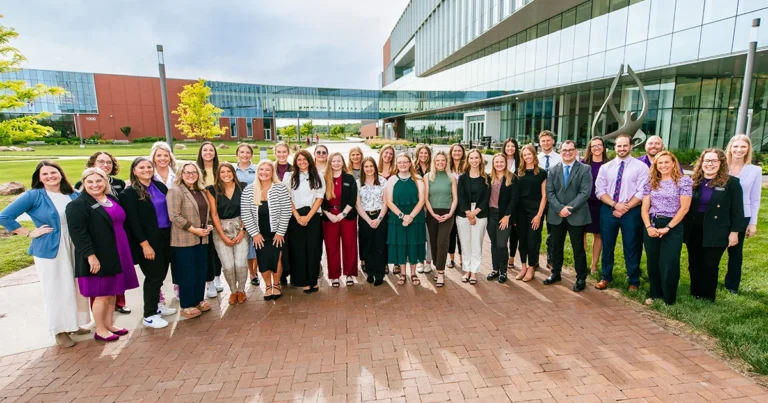
DMU Graduates First Class of Occupational Therapy Students
Des Moines University graduated its first class of occupational therapy students. DMU’s newest alumni will help address OT shortages in Iowa and nationwide.
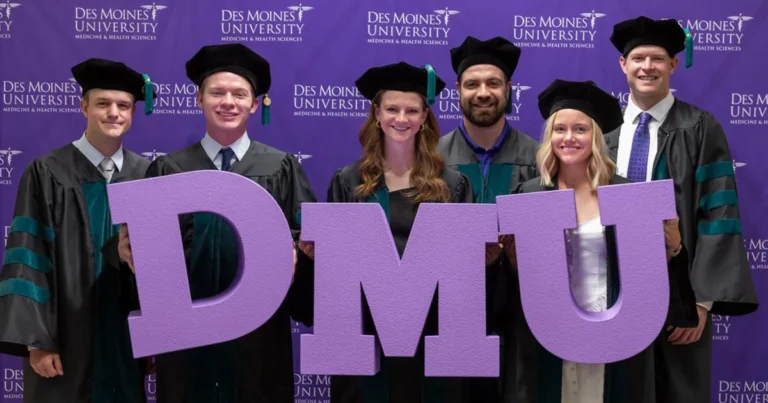
DMU Graduates Over 430 Health Care Professionals
Des Moines University Medicine and Health Sciences awarded graduate degrees in medicine and health sciences to over 430 new health care professionals at its 126th Commencement Ceremony on Friday, May 29, 2026.
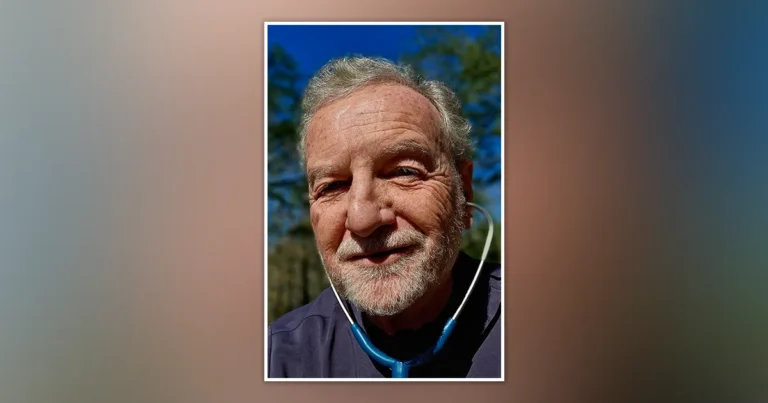
Des Moines University Names 2026 Commencement Speaker
George Rust, MD, MPH, FAAFP, FACPM, author of “Healing in a Changing America: Doctoring in a Nation of Needless Suffering,” will deliver the keynote address at Des Moines University Medicine and Health Sciences’ 2026 Commencement ceremony in May.
Become Who You’re Meant to Be
Earn your MPH from DMU and step into your career with confidence and purpose.