
10 DMU Degrees. 10 Alumni Stories. 10 Ways to Make a Difference.
Whether they studied osteopathic medicine, public health or biomedical sciences at 722 Sixth Avenue, 3200 Grand Avenue or the new campus at 8025 Grand Avenue, graduates of Des Moines University Medicine and Health Sciences share one thing in common: the degrees they earned prepared them to care, to lead and to serve.
It’s a physical therapist helping patients regain balance and confidence after the disorienting effects of dizziness.
It’s a plastic surgeon restoring form, function and a sense of self.
It’s an occupational therapy graduate just beginning her career, working toward becoming a Certified Hand Therapist.
Each path is distinct, and each calling is deeply personal. At DMU, those callings are first shaped in the classroom and continue in clinics, hospitals and communities near and far.
Through our Life After DMU series, we celebrate 10 alumni who exemplify the many ways a DMU degree can make a difference.
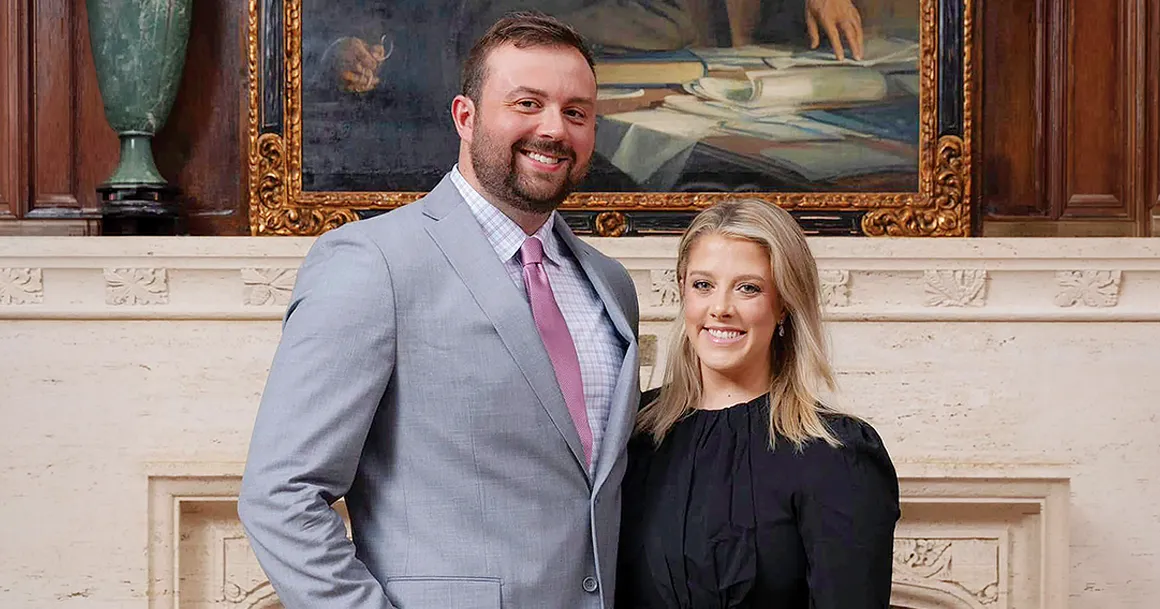
The Life of a ... Master of Science in Biomedical Sciences: The Power of Curiosity
One of Austin Teel’s, DO’24, MSBS’20, earliest — and most formative — memories is from when he was 4 years old, fishing with his grandfather in Indiana. While learning how to filet a bluegill, Teel noticed the fish’s beating heart.
“I became fixated on learning how the body works and wanted to understand everything about it,” he says.
After finishing his undergraduate studies at the University of Iowa, Teel became an EMT and later a paramedic. He also worked overnight as a patient care technician in the emergency room at MercyOne in Des Moines.
Together, these experiences affirmed Teel’s interest not only in medicine, but also in human physiology and pharmacology, leading him to Des Moines University Medicine and Health Sciences. He enrolled in the Master of Science in Biomedical Sciences program — a path Teel viewed as a way to become a more well-rounded future physician.
For his thesis project in the MSBS program, Teel examined the relationship between chronic pain and hypertension.
“Taking ownership of a project like that — seeing it through from start to finish — was incredibly rewarding,” Teel says. “You don’t really learn how to write or conduct research in detail until you have to do it yourself.”
Those skills serve him well today in Mayo Clinic’s Integrated Community and Rural Surgery Residency.
Through it, Teel also has the opportunity to pay forward the mentorship he received from MSBS faculty members by teaching students in the operating room and helping them build confidence.
Teel credits the MSBS program overall as a critical stepping stone in his path.
“It gave me the tools to succeed, and I’m incredibly grateful for it,” he says.