
The Impact of Advancing Research — and One Doctor’s Instinct
In 2018, Karla Peiffer met with her primary care provider, Sarah Tallman, DO’09, at The Iowa Clinic for a routine checkup. Peiffer had been seeing Tallman for nearly a decade and knew the visit would be thorough. The one thing Tallman had been encouraging Peiffer to do was undergo genetic testing for the breast cancer gene due to her family history.
When the results came back, Tallman told Peiffer the good news: no breast cancer gene. However, additional testing revealed some inconclusive findings. Tallman ordered a complete blood count, which showed slightly elevated white blood cells — not alarming, since that can happen with infection.
“But she didn’t feel right about it and referred me to a hematologist just to rule out any cancer concerns,” Peiffer says.
That was the first time the word “cancer” came up. A week after seeing the hematologist, Peiffer got the phone call while sitting on her porch — she had a condition called chronic lymphocytic leukemia.
“Hearing ‘leukemia’ was shocking,” Peiffer says. “But the doctor immediately reassured me that it’s manageable.”
CLL is a type of cancer that affects the blood and bone marrow and progresses slowly. One of the most surprising things for Peiffer was that it’s not treated right away. She entered what’s referred to as the “watch and wait” phase, during which she was monitored monthly for key markers.
A few months after her diagnosis, her white blood cells started climbing. Even then, Peiffer didn’t begin treatment because she didn’t have “B symptoms” — no fevers, infections, fatigue or weight loss.
During this time, Peiffer learned more about advancements in treatment. Historically, patients underwent traditional chemotherapy, but newer oral targeted therapies had become available thanks to research.

By fall of 2021, Peiffer’s numbers were trending in a concerning direction, so treatment became imminent. She started Calquence, an oral therapy, which worked quickly.
Through the CLL Society, Peiffer also became aware of ongoing research and clinical trials, and in spring of 2025 joined one for patients already on Calquence. It added another drug, Venetoclax, for 12 months, with the goal of achieving deep remission and potentially no longer needing treatment.
For Peiffer, the power of research changed everything. After a year in the clinical trial, she received the news: no detectable cancer. Today, she is in remission and off treatment — the first patient of Tallman’s who’s achieved remission from CLL.
“Karla’s treatment is a testament to medical advancement and, to me, offers so much hope,” Tallman says.

“Sometimes walking with my patient means sharing in their sadness when treatment doesn’t stop their cancer. But in other cases, like Karla, I get to share in her joy of living cancer free. Being part of a patient’s health journey is the heart of primary care and is one of the greatest privileges I will ever be given in my life.”
— Sarah Tallman, DO’09
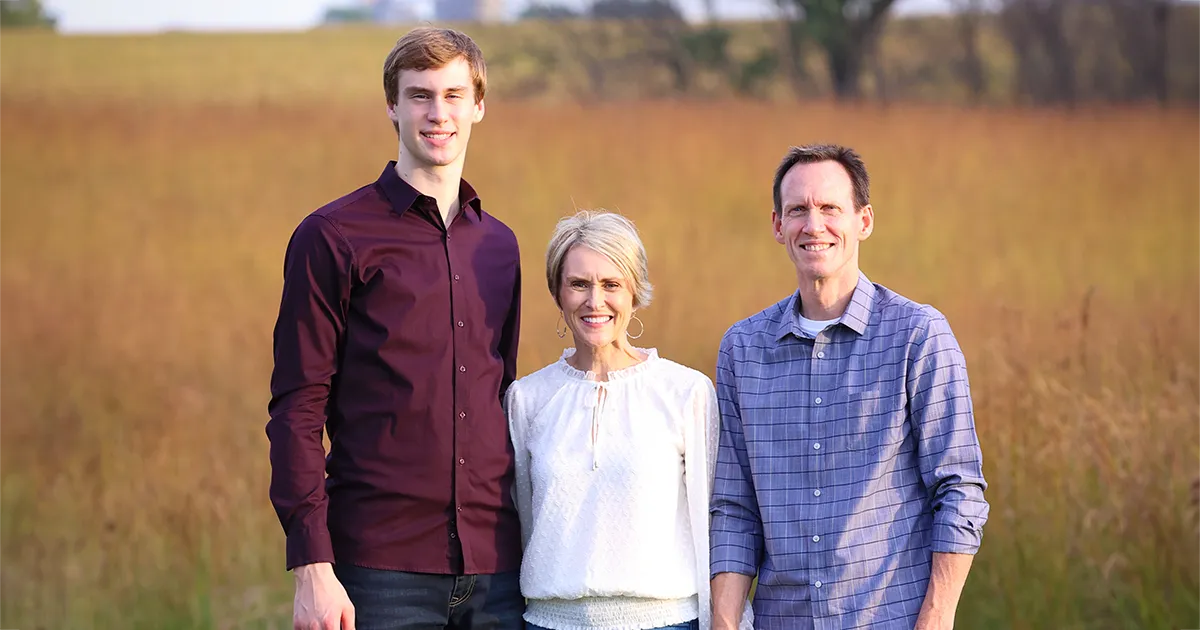
Until now, the only people who knew about Peiffer’s CLL outside her providers were her family, including her husband Mark Peiffer, CPA, MBA, senior vice president and chief financial officer at Des Moines University Medicine and Health Sciences, their son, Vance, and a few close friends. She decided to share her story to raise awareness about research and how important it is, not just for cures, but for better treatments and understanding causes.
“CLL in particular is often unseen and not widely discussed, even though it’s common,” she says. “I hope sharing this brings more awareness and helps others understand that it is manageable. I truly feel like we’re close to a cure, and I hope to see that in my lifetime.”