
At Des Moines University Medicine and Health Sciences, occupational therapy students are empowered to put their knowledge into action.
The 33-month Doctor of Occupational Therapy program culminates with a doctoral capstone experience and project, where they take on real-world challenges.
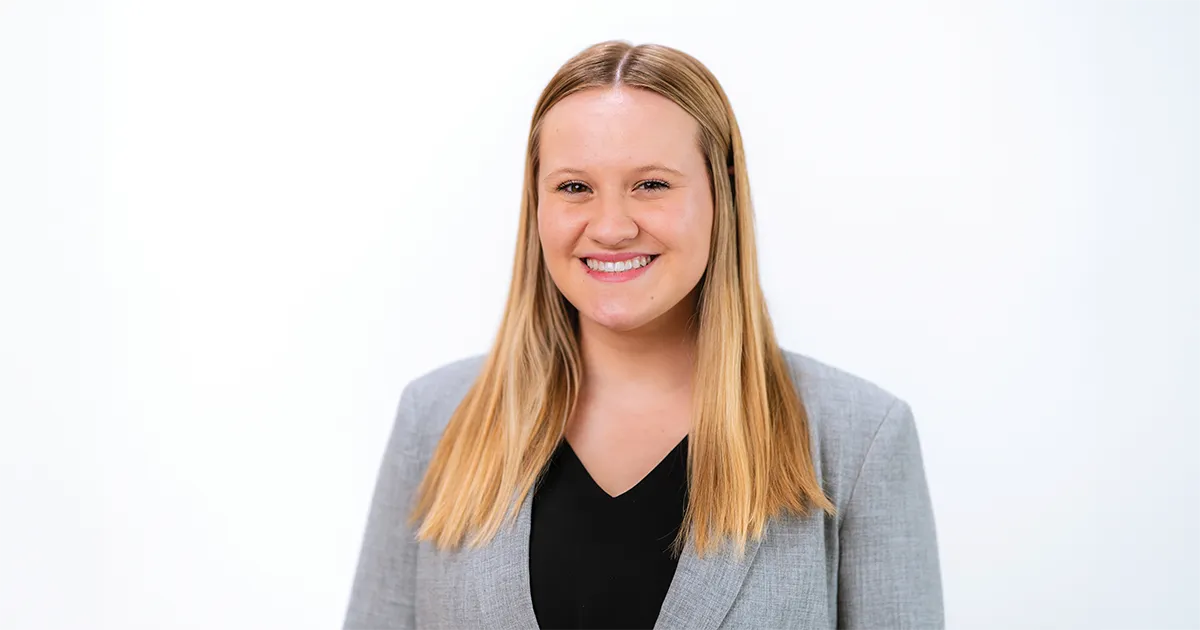
Morgan Leach, OTD’26, is doing just that. As part of her capstone, she’s working in the NICU at MercyOne Medical Center in Des Moines to improve assessment practices and ease care transitions for newborns and their families.
The project stems from challenges she has heard from her capstone mentor and clinicians at other hospitals regarding the feasibility of administering standardized assessments in this high-acuity environment. Because standardized assessments offer significant benefits for outcome tracking and care need prediction, Leach is reviewing literature and trialing assessments to identify one that’s more practical and clinically useful. She’ll also develop educational resources to support transitions from the NICU to early intervention or outpatient services.
“This experience is an excellent opportunity to learn more about the occupational therapist’s role in the NICU and to make a meaningful impact while I’m there,” Leach says.
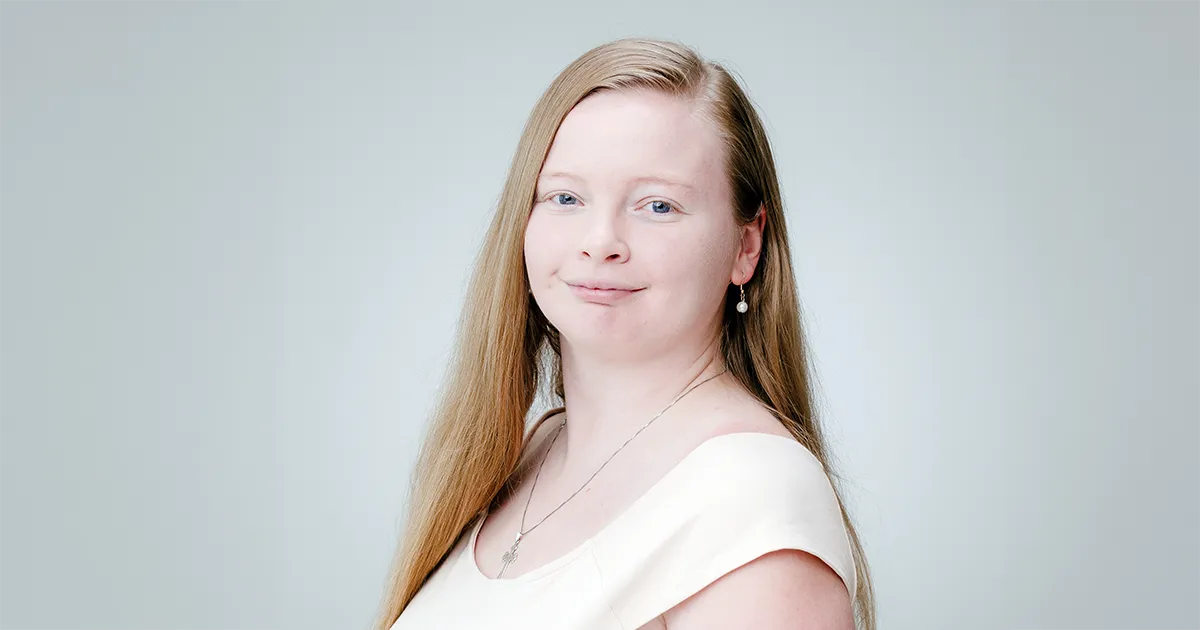
At Habitat for Humanity, Kassidy Hackbarth, OTD’26, is looking into ways to integrate smart home technology with home modifications to support aging in place for older adults. She’s exploring how homes can be made not just accessible, but safer and more responsive to individuals’ changing needs. The goal — beyond helping older adults maintain independence at home for as long as possible — is to create a sustainable program that future OTD students can implement.
“My capstone project has challenged me to think beyond the textbook and to truly understand why we do what we do as occupational therapists,” Hackbarth says. “The combination of handson lab experiences, interprofessional learning opportunities and fieldwork experiences has pushed me to grow as an OT.”
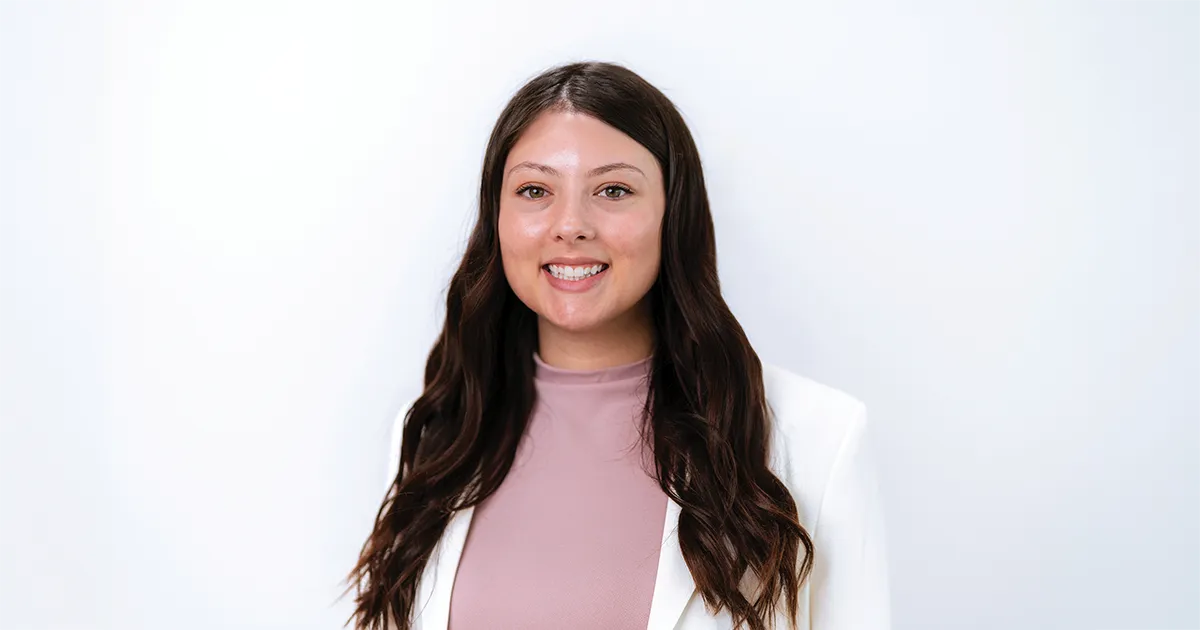
Josie Nordhagen, OTD’26, feels this, too. At Broadlawns Medical Center in Des Moines, she’s creating a mobile assistive technology toolkit clinicians can use when making recommendations for patients. The toolkit focuses on technology that can help people with dementia and other neurological conditions stay safe and independent, with a particular emphasis on medication and financial management. The goal is to allow patients and caregivers to see, in person, what technology or equipment best suits their individual needs.
Nordhagen is also contributing to the occupational therapy side of a mobile health care van that delivers dementia-related services to rural Iowans, including suggesting adaptive equipment, assessments and tools to support skilled therapy in the community.
“I feel proud to get to explain what occupational therapy is to new persons served through my fieldwork,” she says. “The DMU OTD program goes beyond teaching us how to be clinicians. It teaches us the importance of advocacy and how we can get involved in making a better change for the profession and the world of health care.”